Social Experimentation Vital for Understanding AI's Societal Impact, China Daily Reports
China Daily underscores the importance of social experiments to evaluate AI technologies' real-world impacts, particularly in eldercare, to inform responsible AI governance.
AI News
Part 1 of 5
Table of Contents
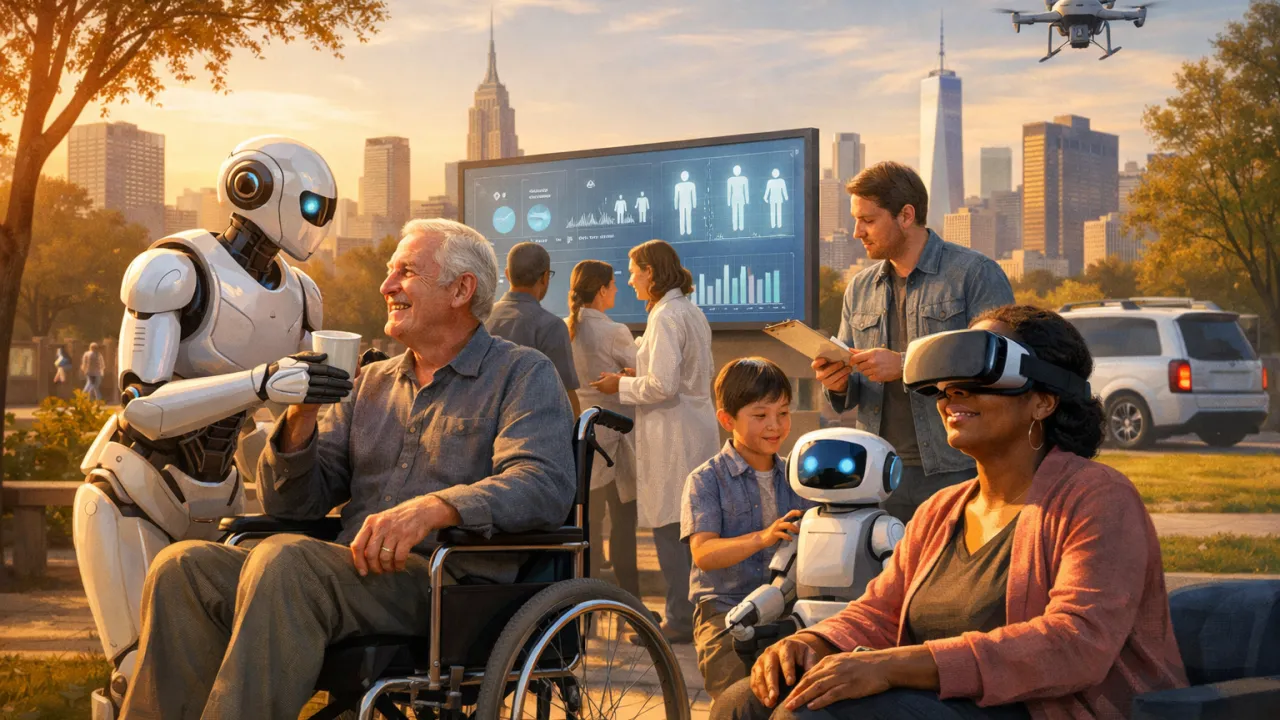
China Daily highlights the significance of social experimentation in evaluating artificial intelligence’s (AI) real-world effects on society. Unlike laboratory tests, these experiments deploy AI systems in environments such as homes, schools, and workplaces to observe their long-term impact on users and social dynamics. An example includes studies of AI companions in elderly people’s homes, assessing not only technological performance but also emotional well-being and social interactions.
This practical approach addresses the Collingridge dilemma, which emphasizes the difficulty of predicting a technology’s social consequences before widespread adoption. By conducting controlled field trials, developers and policymakers gain better insight into AI’s actual effects, enabling more informed decisions and adjustments.
China has integrated social experimentation into its AI governance framework. Initiatives include pilot programs supported by national intelligent-society governance experimental bases and AI innovation pilot zones. Notably, a three-year study launched in 2025 involving approximately 300 households aims to assess AI agents’ impact on older adults’ quality of life, emotional health, and social participation.
Researchers note challenges such as users’ need for assistance with technology setup and digital access disparities, especially in rural areas. These findings help identify support needs but require ongoing observation to determine genuine benefits.
Complementing experimentation, China has developed national standards on AI social applications and generative AI impact assessment to guide consistent evaluation and governance.
At global AI forums in 2026, Chinese leadership emphasized that understanding AI’s societal transformation demands both technical progress and empirical evidence from social experiments.
This evidence-based approach aims to ensure AI technologies improve daily life responsibly and equitably before becoming widely integrated.
(China Daily, October 29, 2026)
Related Posts